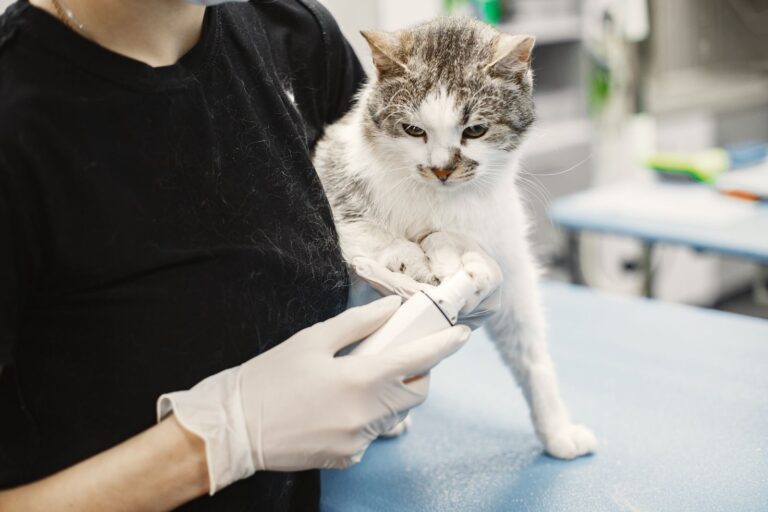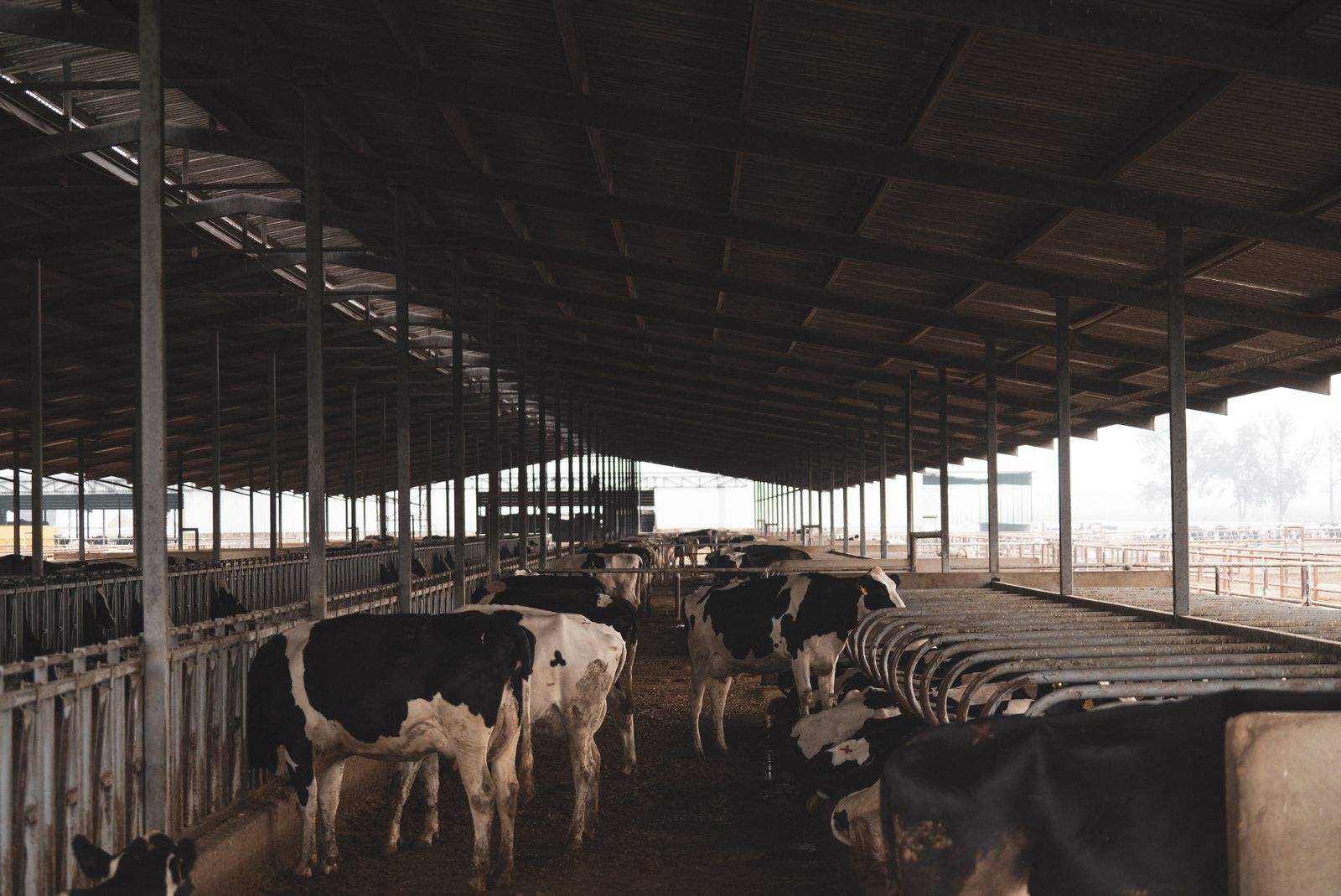
- The withdrawal period is the time after the last treatment during which the animal may not be slaughtered and its milk or eggs may not be sold, and it varies with the product, species, use, route and dosage regimen.
- A maximum residue limit is a regulatory concentration in food, whereas a withdrawal period is a time set for a specific product so that residues fall below that limit; one cannot be derived from the other.
- A safe record ties the restriction to the animal's identity rather than the pen, counts from the last administration, sets a separate date for each food product and lifts the restriction only after a documented check.
This article is for professional education and does not set a withdrawal period or dose for any drug; refer to the approved label, the veterinarian and the competent authority in your country.
What is a withdrawal period, and why does it vary?
The withdrawal period is the time after an animal’s last treatment during which it may not be sent for slaughter and its milk or eggs may not be sold, based on residue studies carried out under the label’s conditions of use. [2] FDA explains that this is the time drug residues need to fall to or below the legal tolerance, and that a drug the body breaks down or eliminates slowly has a longer withdrawal time. [3]
There is no single period per drug. The same drug can differ between beef and dairy cattle, between injection and oral administration in feed, and the period changes with the dose, frequency and duration. [3] Control therefore starts with the actual dosage regimen for each animal, not just the drug’s name.
What is the difference between a maximum residue limit and a withdrawal period?
The WOAH Terrestrial Animal Health Code requires a maximum residue limit (MRL) to be set for each animal-derived food before a product is approved, and withdrawal periods to be set for each food-producing species to ensure compliance with those limits, taking into account the product’s composition, dosage regimen and route of administration. [1]
The MRL is therefore a concentration in food, while the withdrawal period is a time that belongs to a specific product. The Codex Alimentarius database lets you look up maximum limits for veterinary drug residues in foods, [5] but those limits do not tell you when your animal can be released. That comes from the approved product label or the vet’s instructions.
What should a treatment record contain?
Article 6.10.8 of the WOAH Code lists what keepers of food-producing animals should record for each use of an antimicrobial: product name or active ingredient and batch number, prescriber and supplier details, date of administration, identification of the animal or group and the number treated, the disease treated, dose, interval and duration, and withdrawal periods including their end date. [1] FDA suggests a similar list that also covers who administered the drug and when milk or eggs can be used. [2]
- Animal or group ID
- Number of animals treated
- Condition treated
- Prescribing vet
- Product name and batch number
- Dose, interval and duration
- Route of administration
- Date of last dose and who gave it
- Food product covered
- Withdrawal period and its source
- Restriction end date
- Who checked and lifted it
Although the WOAH chapter deals with antimicrobials, using the same fields for every drug with a withdrawal period keeps one consistent record. Add two fields that are often missed: the source of the period (label or vet’s prescription), and the name of the person who checked and lifted the restriction.
How should treated animals be identified?
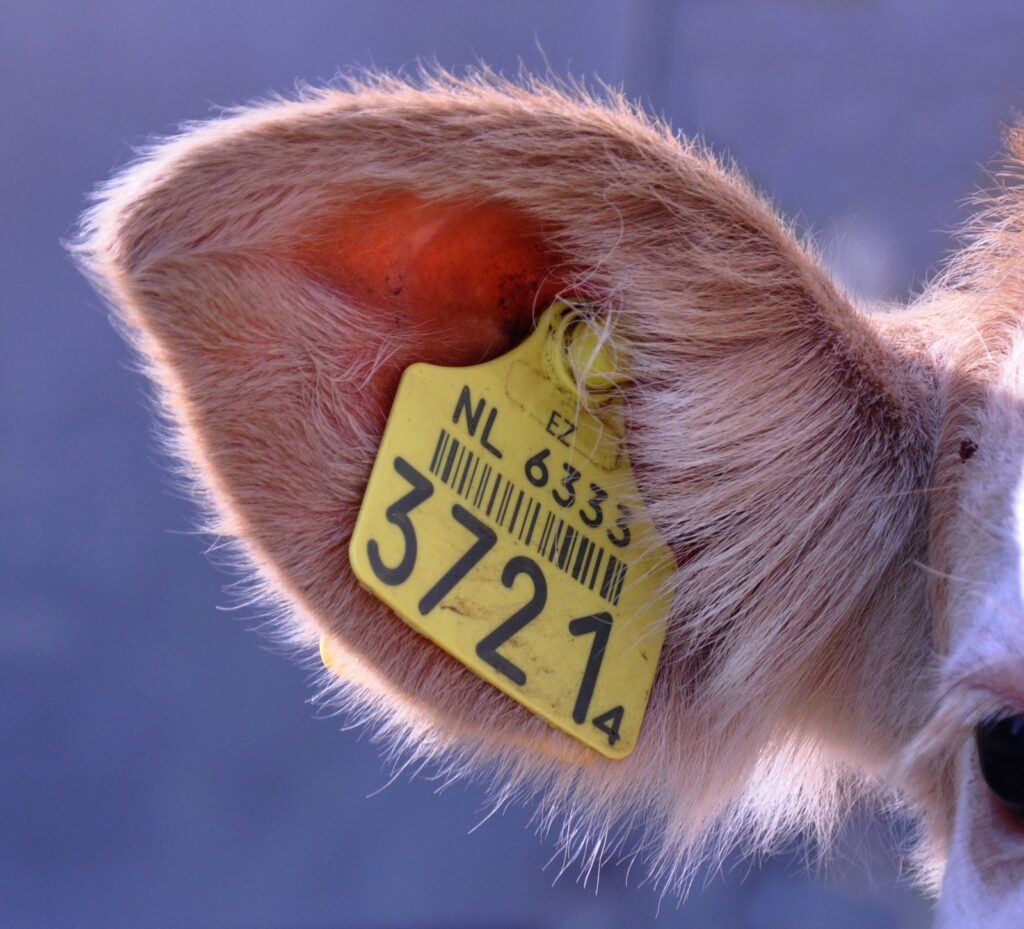
FDA recommends tracking treated animals so that tissue, milk or eggs with illegal residues are not sold, and notes that identification can be by individual animal ID, by pen or lot, by quarantine and segregation, or by other means. [2]
Choose the method that stays correct when the animal moves. A restriction tied to a pen is lost if the animal moves to another group, whereas one tied to the animal’s number follows it wherever it goes. Where animals are treated as a group, such as poultry flocks or animals on medicated feed, the restriction applies to the whole batch.
| Situation | Likely error | Control |
|---|---|---|
| Animal moved to another group | Restriction stays with the old pen | Restriction follows the animal ID |
| Treatment extended or extra dose | Date counted from first dose | Recalculate from last administration |
| Milk and meat from the same animal | One date for both | Separate date per product |
| Substitute product, same ingredient | Original product's period copied | Label of the product actually used |
| Use outside the label | Label period applied | Written period set by the vet |
Who sets the period for use outside the label?
For use outside the label directions, the WOAH Code states that the veterinarian defines the withdrawal period and that prescriptions should state it where applicable. [1] FDA stresses that a vet must be involved in such use and is responsible for setting an appropriate withdrawal time. [3]
The rules differ from country to country. In the United States, for example, FDA treats extra-label use by non-veterinarians in food-producing animals as illegal, and ignoring labelled withdrawal or milk discard times as use contrary to the label. [2] In each Gulf country, check what the competent authority permits.

What does this mean in the Gulf?
The first reference is the label and package leaflet approved by the registering authority in your country. In Saudi Arabia, the SFDA guideline on labelling and package leaflets for veterinary medicinal products requires withdrawal periods to be stated for products given to food-producing animals, for each species and each food product such as meat and offal, eggs, milk and honey, including products whose period is zero. [4] Version 1 of the guideline was issued on 1 November 2021 and took effect on 1 May 2022. [4] In practice, a missing withdrawal period on the label of a product intended for food-producing animals is a reason to query the supplier or vet before use, not evidence that the period is zero.
In other countries, check the requirements of the authority responsible for veterinary medicine registration and food safety. Wherever you are, keep a fallback if the electronic system fails, such as a paper log or a visible mark on the treated animal, so that preventing sale does not depend on a single screen.
Hypothetical example
On a dairy farm, a cow is treated with a drug that has one withdrawal period for milk and another for meat, and two days later she is moved to another group. Because the system ties the restriction to the cow’s number rather than the pen, the alert appears in the new group at milking.
The vet then extends the treatment by one day. The system recalculates both dates from the last administration, keeps the milk and meat restrictions separate, and allows neither to be lifted until the responsible person has confirmed the new date and recorded their name.
How do you check records before sale, slaughter or milk collection?
A correct record prevents nothing unless it is checked at the moment the product leaves the farm. Give every exit a fixed checkpoint: before milk collection, before loading animals for slaughter or sale, and before egg collection. At each point, the responsible person matches the list of animals or batches under an active restriction against what is actually leaving, and signs off the match.
The WOAH Code expects the veterinarian to review farm records periodically for compliance and treatment effectiveness, and producers to observe withdrawal periods, use products within their expiry dates, dispose of surplus safely and tell the vet about recurring disease problems. [1] When buying or selling animals, FDA recommends that dealers keep a record of each animal’s source and medication history, including the withdrawal period, [2] so ask for that history when you buy rather than assuming the animal is free of restrictions.
To underline the point, FDA treats an illegal tissue residue as prima facie evidence of improper drug use under the US system. [2] The practical lesson applies anywhere: a residue test reveals the error after the fact, whereas a check before dispatch prevents it.
Conclusion
A withdrawal period belongs to a specific product, dosage regimen, species and food product, and is counted from the last administration. Tie the restriction to the animal’s identity, record the source and end date for each food product, and make lifting the restriction a documented step rather than an automatic one.
Frequently asked questions
Does the withdrawal period vary only with the drug?
No. It also varies with species and use, so the same drug can differ between beef and dairy cattle, and with the route of administration and dosage regimen. [3]
When does the withdrawal period start?
From the last treatment given to the animal, not the first. Extending treatment or adding a dose therefore changes the release date. [2, 3]
Can I copy the withdrawal period from a similar product with the same active ingredient?
No. The period is set for each product according to its composition, dosage regimen and route, so the reference is the label of the product actually used. [1]
What if the drug is used outside its label directions?
In that case the veterinarian sets and records the withdrawal period, within what local regulations permit. [1, 3]
Does the label state the withdrawal period even when it is zero?
In Saudi Arabia, the SFDA labelling guideline requires the withdrawal period to be stated for each species and each food product, including products whose period is zero. [4]
References
- World Organisation for Animal Health (WOAH). Terrestrial Animal Health Code, Chapter 6.10: Responsible and prudent use of antimicrobial agents in veterinary medicine (2024)
- U.S. Food and Drug Administration (FDA). CPG Sec. 615.200 Proper Drug Use and Residue Avoidance by Non-Veterinarians (1993)
- U.S. Food and Drug Administration, Center for Veterinary Medicine. T.A.L.K. Before You Treat (2018)
- Saudi Food and Drug Authority (SFDA). Labeling Information and Package Leaflet for Veterinary Medicinal Products (Version 1) (2021)
- Codex Alimentarius (FAO/WHO). Veterinary Drug Residues in Foods Database (2026)