- A change in a product may be linked to the formula, the packaging, transport and storage conditions or how it is used; looking at colour and smell is not enough to find the cause.
- Decisions need stability data suited to the product in its final pack, with a specialist assessment of any change or complaint instead of jumping to blame.
- Review the stability file before and after launch, and check the national requirements in the target market, such as SFDA's Gulf updates.
This article is for professional education. It does not provide a skin diagnosis or a manufacturing formula.
What does it mean for a product to be stable?
Stability means the product keeps its appropriate characteristics within defined acceptance limits for a justified period and under justified conditions. It is not only about the fragrance staying pleasant; viscosity, colour, homogeneity, pH and other properties may matter, depending on the product. Physical and chemical assessment works alongside assessment of microbial protection and packaging compatibility, and none of them replaces the others. [1, 2]
The technical report ISO/TR 18811:2018 explains that the variety of products and of storage and use conditions rules out a single method for assessing stability. It is guidance and does not set one protocol for all formulas. The manufacturer is therefore responsible for justifying the methods, specifications and conditions it uses. This is a key point when reviewing a product file: it is not enough for a supplier to write “stability test” without stating what was tested and how the result was interpreted. [1]
Why do colour, texture or smell change?
Some ingredients may change over time or with exposure to light, air and heat; the components of an emulsion may separate, or the product may lose moisture. Contamination can occur during use, or preservative protection can weaken over time. FDA guidance presents these factors as examples that affect shelf life, not causes that can be confirmed from a photo of the product alone. [2]
In practice, the quality manager starts by describing the change precisely: When did it appear? Was it in sealed or opened packs? Does it affect one batch? Did the texture change throughout the pack or only near the opening? These suggested investigation questions help direct testing. Avoid jumping to conclusions such as “the preservative is weak” or “the customer stored it wrongly” before there is data to support them.
What should a stability protocol set out?
Identify the formula and its version, the packaging used, the sampling plan, test methods and acceptance criteria. Then state the study conditions, duration, testing intervals and the reasons for choosing them, and how results and deviations will be reviewed. A specialist should be able to trace the report to the actual product, not to a trade name that may cover more than one formula, pack or raw material supplier.
Accelerated tests can help in development and comparison, but they do not on their own give a general conversion from days of testing to years of shelf life. The specialist provides an interpretation that fits the product, the conditions and the available data, and decides whether follow-up under other conditions is needed. Do not copy another product’s protocol just because it looks similar; differences in water content, packaging or use may change what needs to be considered. [1]
Why is the packaging tested together with the product?
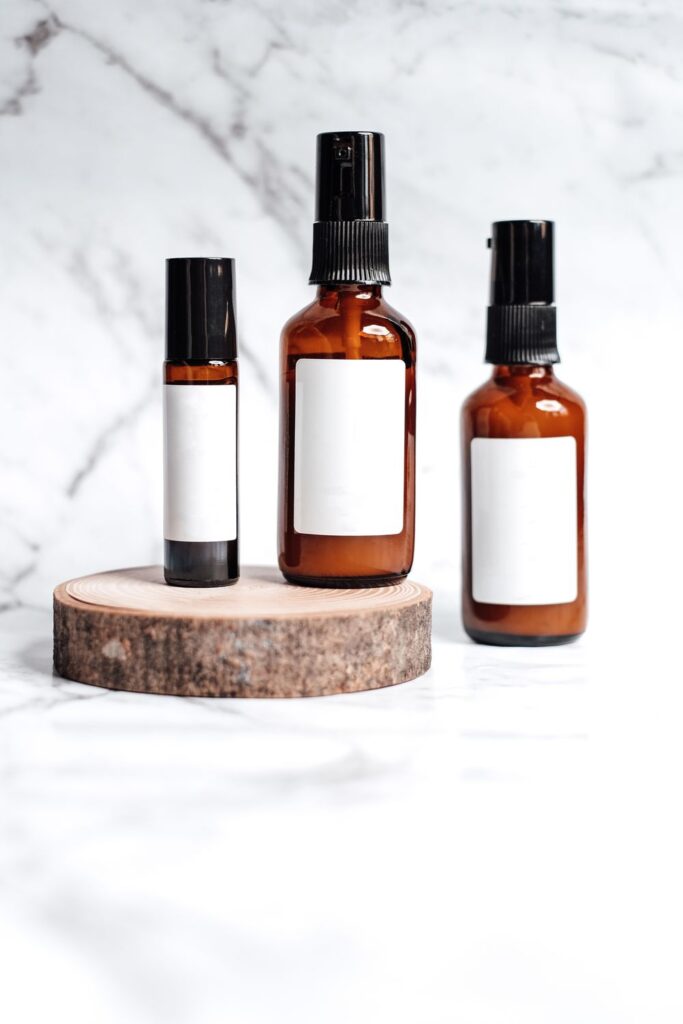
Packaging is part of the product system: it protects it in distribution, controls how it is dispensed, and can be affected by the product or affect its properties. So the compatibility of the final pack, its closure, leakage, visible changes and the function of the pump or cap are reviewed within a suitable plan. Success of a formula in a laboratory container does not prove success in every commercial pack.
The team can compare candidate packs on ease of use, protection of the contents, transportability and compatibility evidence. This is a suggested development comparison, not a claim that a pump is always better than a jar. The choice follows the nature of the product, the user and the data. When the pack supplier, material or size changes, assess whether some tests need repeating rather than treating the change as purely cosmetic.
How do you handle a complaint about a product that changed before expiry?
Collect the product name, batch number, purchase and opening dates, and a description of storage and of the change, with photos where needed and without gathering unnecessary personal information. Do not ask the user to try the product on their skin again to prove the problem. If symptoms accompanied use, direct them to appropriate care for their situation, and handle the report within the approved complaints and safety system.
Review the retained sample and the manufacturing, filling and transport records, and compare the complaint with what is known about the batch. Qualified laboratory testing may be needed. The decision to release, hold or recall depends on a risk assessment and local requirements, not on the outcome of a customer service conversation. Good manufacturing practice guidance points to the importance of records, samples and laboratory controls in monitoring cosmetic quality. [3]

What does a hypothetical investigation without early blame look like?
A hypothetical company receives complaints that a cream’s texture changed after it was moved to a store. Quality compares samples from the warehouse with returned samples, and reviews transport conditions, packs and batches. The case does not assume heat is the cause; it may turn out that the filling method, the closure or a different pack material needs examining. The aim is to form hypotheses and test them rather than pick a convenient explanation.
The team keeps a log that separates facts from possibilities: “the observation appeared in packs from the specified batch” is a verifiable fact, while “the cause is poor storage” is a conclusion that needs evidence. Once the action is decided, the team reviews whether the specification, the stability plan or the transport instructions need updating. That way the complaint becomes a source of learning for the product and the process, not just a commercial replacement.
What should you watch for in Gulf markets?
The product plan needs to consider real supply chain conditions, including storage, transport and possible exposure to heat, in line with the product instructions. A hot climate does not mean every product needs refrigeration, nor that keeping it in a fridge is automatically safe or suitable. The reference is the approved data and the instructions on which the technical file is based.
In Saudi Arabia, the Saudi Food and Drug Authority announced the adoption of updated SFDA.CO/GSO 1943:2024 on safety requirements and SFDA.CO/GSO 2528:2024 on claims, with lists of substances moved to its website. So an old copy of ingredient lists is not enough when reviewing a product. The implementation arrangements and national requirements in the target market must be checked, without assuming that registration works the same way in every Gulf country. [4]
How do you review the stability file before launch?
Bring development, quality, packaging and supply chain together around the final version. Check that the formula code, version and pack in the report match what will be sold, and that recent changes have been assessed and documented. A good report on an older version is not enough if a raw material, pack or manufacturing method has changed in a way that could affect the properties. This is an editorial checklist for organising the file; it does not add a mandatory test beyond the relevant reference.
Review the storage and use instructions: Are they supported by the data? Will the consumer understand them? Do they fit how the product is sold and transported? If the product needs a special condition, marketing and the distributor must know before the campaign launches. Do not use descriptions such as “stable in all conditions” or “safe however long you use it”; they go beyond what a limited study can prove.
Decide what will be monitored after launch, and who receives feedback and links it to batches. Real-world data may reveal a condition that did not appear in development, and the team may need to revisit its assumptions or instructions. Keeping the file alive means quality responsibility continues throughout distribution, and new decisions are based on traceable evidence. Keep the justification for any change to shelf life or storage with the relevant evidence and approvals, then check that the change reaches the packs, published materials and distributors, so there are no conflicting instructions for the same product in different channels.
Frequently asked questions
Does the printed date guarantee safety whatever the conditions?
No. The assessment is tied to appropriate storage and use. Poor handling or contamination of an opened pack can change the product before the date, and any unusual change needs a specialist review. [2]
Does a change in colour mean microbial contamination?
Not necessarily, and an unchanged colour does not rule contamination out. Diagnosis needs a suitable assessment; visual inspection alone cannot identify the type of problem or confirm the product is safe.
Can a product that has separated be remixed and used?
Treating a suspect product at home or putting it back on sale without assessment is not advised. Looking uniform again does not prove that quality, safety or conformity to specification have been restored.
Are natural products always more stable?
Stability cannot be inferred from the word "natural". The formula, packaging, tests and conditions are reviewed on their merits for the type of product, and evidence is requested to support the claim.
What is the first document I should ask the manufacturer for?
Ask for a traceable summary of the stability study for the intended formula and pack, including acceptance criteria, results, conclusions and who approved them, then have a specialist review it within the full technical file.
References
- ISO/TR 18811:2018, Cosmetics: Guidelines on the stability testing of cosmetic products
- U.S. FDA. Shelf Life and Expiration Dating of Cosmetics
- U.S. FDA. Good Manufacturing Practice (GMP) Guidelines/Inspection Checklist for Cosmetics
- Saudi Food and Drug Authority. Update of the Gulf cosmetics regulations, 24 June 2025 (Arabic)
Recommended programmes