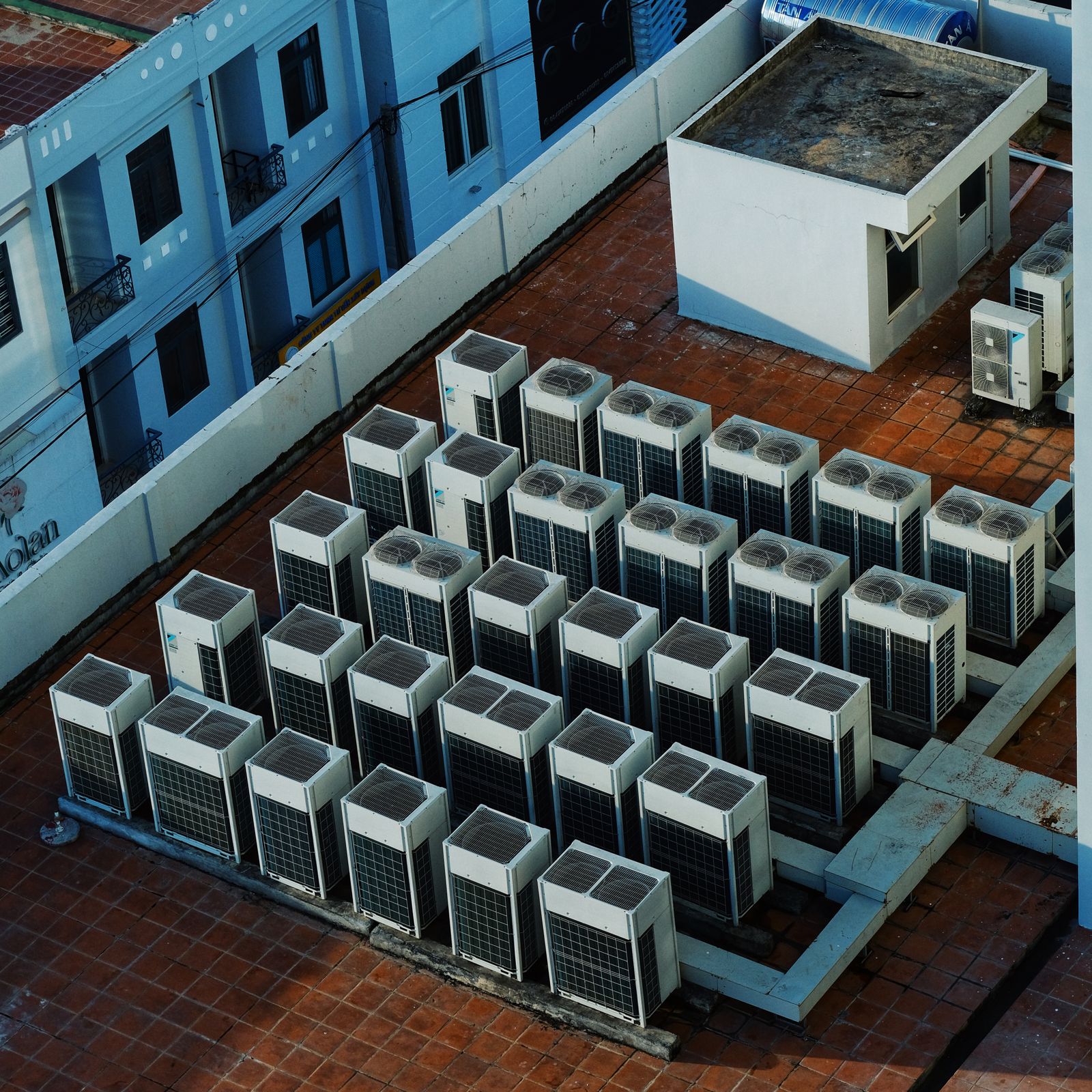
- Start by checking the energy actually used, operating hours and weather; a higher bill alone does not prove the air conditioning is faulty.
- Check schedules, controls, airflow and equipment condition, and distinguish building load and humidity from poor equipment efficiency.
- Sort improvements into operational fixes, maintenance and investment studies, and measure each action without compromising comfort or air quality.
Has consumption actually risen, or just the cost of the bill?
Compare energy used in kilowatt-hours, not just the bill amount; the tariff, charges and length of the billing period can all change. Separate air conditioning consumption from other loads if sub-meters are available. If they are not, note that the conclusion is approximate; the cause may be extra equipment or longer building hours. Do not blame air conditioning for the increase simply because the month was hot.
Collect consecutive readings, occupancy hours and weather conditions, then compare periods with similar use. A specialist team can use cooling degree days or a suitable model to normalise consumption for weather. But simple models cannot on their own explain the effect of humidity, ventilation and changing occupancy, so their assumptions must be documented. General energy efficiency recommendations are a starting point, while a large building needs an analysis that reflects its actual design. [1, 2]
What information should you gather before visiting the equipment?
Prepare the system schematics, the asset list, equipment capacities, the maintenance log and the most recent change in use. Ask: Have offices or halls been added? Have security or cleaning hours changed? Are loading doors left open? Have users complained that spaces are hot or humid? Link each observation to a place and a time, because “the air conditioning is weak” is not enough to identify the cause.
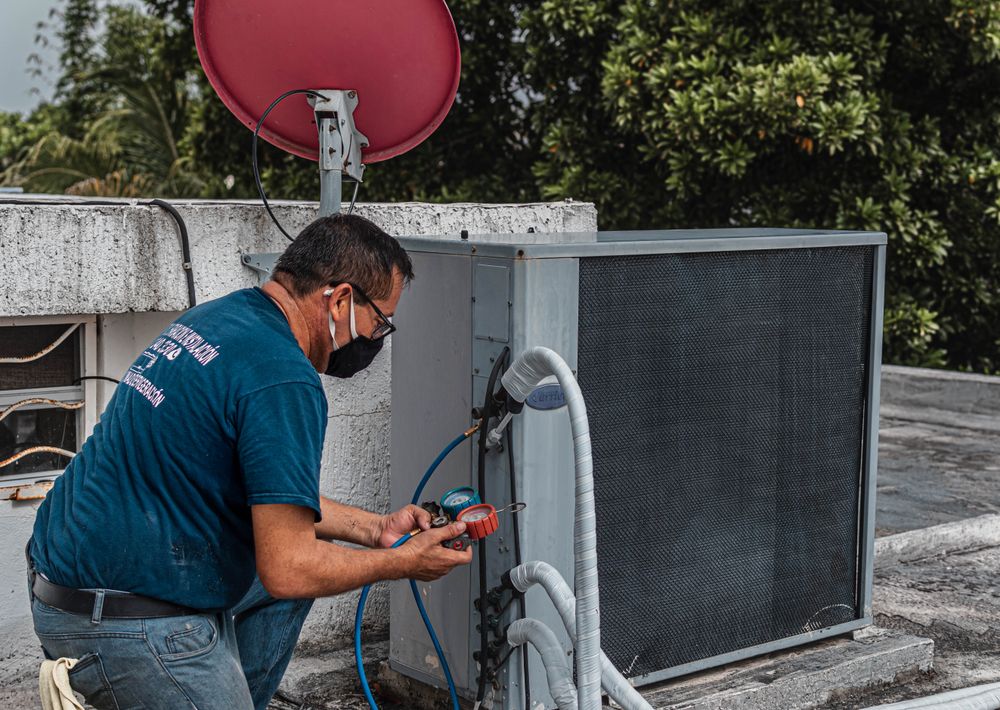
Pull operating trends from the building management system if there is one: setpoints and measured values, run commands, valve positions and unit operating hours. Do not assume the screen reading is always right; there may be a problem with the sensor, its location or its calibration. The engineer plans field verification with suitable instruments, following safety procedures and the manufacturer’s guidance. This step prevents changing the whole system on the strength of one sensor that does not represent the zone.
Is the system running at the right times and in the right places?
Review the actual schedules, not the ones written in the operating manual. Air conditioning may run all night because of an old exception that was never removed, or because several different zones are tied to one schedule. Match meeting room operation to actual use, and analyse occupied and unoccupied zones separately. Any change must preserve the building’s special requirements, such as equipment rooms or areas that need continuous environmental conditions.
Also check for conflicting control commands. Simultaneous heating and cooling demands, or uncoordinated setpoints, can cause consumption that users never notice. Check who has permission to change settings and how exceptions are recorded. Do not rely on raising the temperature at random as a universal fix; thermal comfort, humidity and ventilation are part of service quality, not variables to ignore to lower a meter reading. [1]
What does checking air, filters and coils reveal?
A dirty or unsuitable filter can increase air resistance and affect system performance. But fitting a higher-efficiency filter without checking fan capacity and system design can create a new problem. Check the filter type, how it is fitted and any bypass around it, and verify airflow against the design and the manufacturer’s instructions. A new filter does not prove that airflow is correct. [1, 3]
Check the cleanliness of heat exchange coils, condensate drainage, insulation and the condition of air outlets. These observations explain performance when read alongside the measurements; a photo of a dirty coil alone does not tell you how much it affects consumption. Checking refrigerant, electrical connections and moving parts is a job for a qualified technician, and this article is not a set of instructions for non-specialists. The official maintenance checklist recommends checking the main operating components rather than treating one complaint in isolation from the system. [1]
How do you tell building load from poor equipment efficiency?
Equipment may be working acceptably while the building places an extra load on it. Check air leakage through doors, shading, insulation, internal heat sources and changes made since the design. In a humid climate, the question is not only dry-bulb temperature; the dehumidification load is part of the assessment. Reducing outdoor air without reviewing design and health requirements is not an acceptable saving measure.
If the team needs to compare replacement options, it should assess operating conditions, part-load performance, controllability and maintenance, not nominal capacity alone. A bigger unit is not automatically better, and sizing requires a professional load calculation. Ask the supplier to state the assumptions and data they used, and how system performance will be verified after installation. Do not accept a payback period based on unmeasured savings or on operation that differs from the facility’s reality.
What does a hypothetical application in an office building look like?
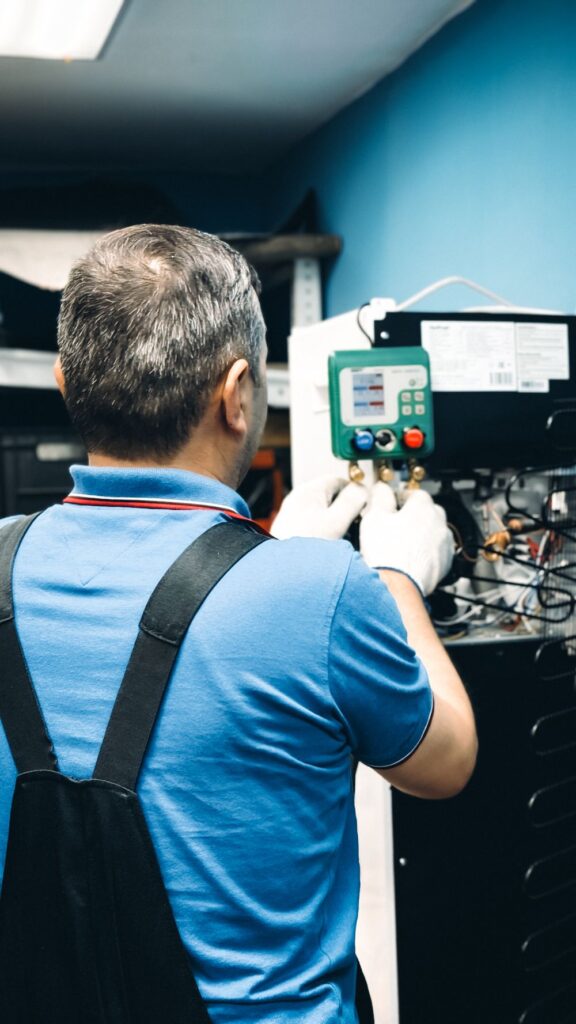
Suppose an office building whose manager noticed higher consumption after the customer service department expanded. The team starts by recording that working hours and occupancy changed, so it does not compare the bill directly with the previous month. It reviews the operating curve and finds that two unused zones follow the new zone’s schedule. This is a hypothetical observation to illustrate the method, not the result of a project carried out by Nevada or an expected saving percentage.
With operations approval, the team trials a schedule change for the two zones and keeps a log of readings, complaints and weather. If consumption falls while the required comfort is maintained, it has initial evidence that the change works. If humidity rises or complaints appear, it reviews the setting. Only then does it move on to filters, sensors and coils. Making changes one at a time shows which one had an effect, while making many at once makes each one hard to assess.
What is different about applying this in the Gulf?
In Gulf buildings, the team considers the length of the cooling season, the effect of dust, coastal humidity and operating hours linked to the type of activity. These contextual factors should be measured locally, and they do not justify assuming the same behaviour across all GCC countries. Building and ventilation regulations and energy service companies also differ from city to city, so the engineer refers to the approved requirements for the site and to the project documents.
A simple field log can record the date, zone, weather, occupancy hours, energy reading, observed fault, action taken, person responsible and the date for re-measurement. This is a suggested editorial template, not an official form from any regulator. The log’s value lies in using it consistently and linking it to work orders, so that inspection findings do not become a filed report that changes nothing in how the building is run.
How do you rank improvement work before asking for a budget?
Sort the observations into what needs an operational correction, what needs maintenance, and what needs an investment study. An unsuitable schedule is reviewed with users, a dirty coil goes into a safe maintenance plan, and equipment that does not suit the load needs a wider analysis. Do not put every item under the heading “replace the system”, because each has different evidence, a different owner and a different timeline.
For each action, write down the situation before intervention, what will change, the measurement that will be used afterwards, and the conditions that could affect the comparison. If weather and occupancy change at the same time, say that a direct comparison is limited. If the organisation will contract for guaranteed savings, a clear measurement and verification method and the limits of each party’s responsibility must be agreed, not just a verbal promise from the supplier.
Record the effect of each action on the service too: heat and humidity complaints, downtime and ease of maintenance. A project is not a success if it cuts energy and creates an unacceptable operational problem. When presenting results, separate measured savings from expected estimates, and state what is still unresolved. This gives the decision a technical basis that can be reviewed, and points training at the skill that practice revealed, such as reading trends or diagnosing controls. Then decide who will follow up to keep the improvement after the work order is closed, so the old settings do not creep back with a shift change or a new user’s request.
Frequently asked questions
Does a higher bill mean the air conditioner needs replacing?
No. First check energy use, tariff, working hours and added loads. Replacement becomes an option when the asset's condition, operating efficiency and maintenance cost support it, compared with the possible improvement alternatives.
Is cleaning the filters enough?
It may solve part of the problem, but it does not replace checking airflow, controls, coils and other components. Follow the maintenance method that suits the filter type and the manufacturer's instructions. [1, 3]
Should I switch off ventilation to cut consumption?
Do not change ventilation outside the approved requirements. Any change needs a professional assessment that protects air quality, pressure, humidity and the specific requirements of the building's use.
Which indicator is best to track?
Choose an indicator tied to the building's activity, such as energy per unit of floor area, interpreted against operating hours, weather and occupancy. Do not use a single number to judge buildings with different functions and designs.
When should I ask for a specialist audit?
When the increase remains unexplained, readings conflict, or the organisation needs a major investment. Give the auditor the available data and records so the recommendations can be checked and implemented.
References
Recommended programmes