- Policing research links procedural justice strongly to the legitimacy of security agencies, and people's sense of being treated fairly affects that legitimacy more than their view of how effective the service is.
- The 1979 UN Code of Conduct for Law Enforcement Officials requires respect for human dignity, and the 1990 Basic Principles call for non-violent means to be used, as far as possible, before any resort to force.
- De-escalation is a trainable skill built on active listening, emotional control, giving space and explaining decisions, and the College of Policing regards scenario-based training as the most effective way to teach it.
This article is for general professional awareness; in each country the binding reference is national law and the instructions of the competent security authority.
Why is public interaction part of security work?
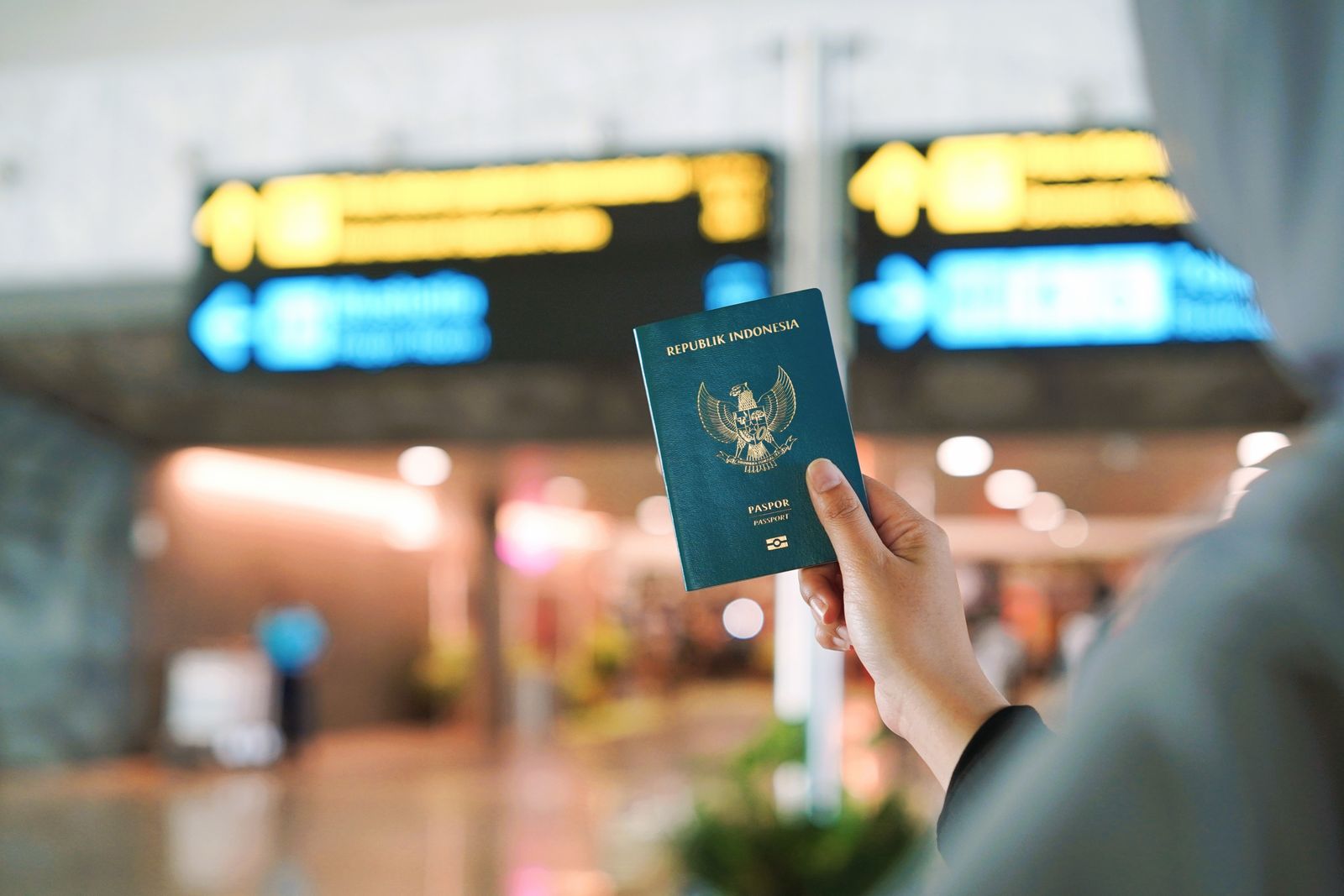
At an airport passport desk, a land border crossing or a police station, security staff meet hundreds of people a day: a tired traveller, a visitor anxious about their case, someone who sees a search as an insult. Each of these encounters shapes how people see the whole agency, not just the officer in front of them.
The College of Policing’s review of the evidence links procedural justice strongly to the legitimacy of security agencies, and finds that people’s perception of fair treatment affects that legitimacy more than their perception of effectiveness. [1] In other words, how a procedure is carried out matters as much as the procedure itself.
The same review covers a second dimension, distributive justice: whether people feel that the burdens and benefits of security work are shared fairly across communities. People who feel targeted more than others, or not protected enough, may be less willing to give security agencies their consent. [1] At ports of entry that receive many nationalities, this dimension matters all the more.
What international standards govern how security staff treat the public?
On 17 December 1979 the UN General Assembly adopted the Code of Conduct for Law Enforcement Officials. Its key articles include: [3]
- Article 1: fulfil the duty imposed by law, serve the community and protect everyone against illegal acts.
- Article 2: respect and protect human dignity and uphold the human rights of all persons.
- Article 5: never inflict, instigate or tolerate torture or cruel, inhuman or degrading treatment; neither superior orders nor exceptional circumstances can justify it.
- Article 8: respect the law and the Code, and report any violation that has occurred or is about to occur to superiors and, where necessary, other appropriate authorities.
The commentary to the Code makes clear that the term “law enforcement officials” covers every officer of the law who exercises police powers, especially powers of arrest or detention. [3] The 1990 Basic Principles on the Use of Force and Firearms then provided that officials should, as far as possible, apply non-violent means before resorting to force, and that training should cover alternatives to force such as the peaceful settlement of conflicts, persuasion, negotiation and mediation. [4]
In the Gulf, each state regulates the conduct of police, passport and customs personnel through its own laws and internal regulations, and these are the binding reference on which each agency builds its training and assessment.
Procedural justice: five principles that become behaviour at the counter
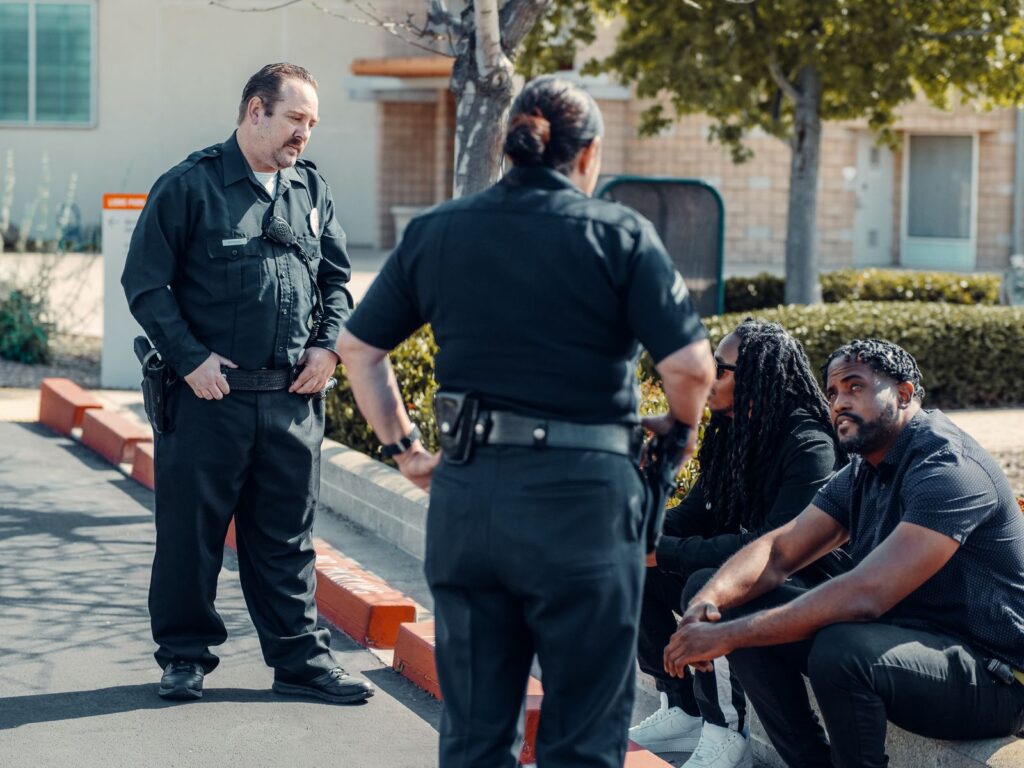
The College of Policing summarises procedural justice in five principles. [1] The table links each one to behaviour that can be observed and assessed at a checkpoint or station:
| Principle | What it means | How it shows at the checkpoint or station |
|---|---|---|
| Neutrality | Decisions based on facts, not impressions | The same procedure for everyone who meets the criteria, regardless of nationality or appearance |
| Voice | Listening and taking the person’s view into account | Letting the visitor explain before responding, without interrupting |
| Explanation | Explaining the decision and how it was reached | “We are going to search the bag because the scanner showed an item we need to check” |
| Respect | Treating the person with dignity | A greeting, a calm tone, no sarcasm or personal remarks |
| Trustworthy motives | Showing that the aim is to serve and protect | Telling the traveller how long it should take and what they can do if they disagree |
A common mistake is to believe that explaining weakens authority. In practice, a person who understands why a procedure is happening is less inclined to resist it, and the decision itself does not change because it was explained.
How do you de-escalate before tension builds?
In September 2020 the College of Policing issued guidelines on the non-physical aspects of conflict management, focusing on situational awareness, emotional awareness, self-regulation, active listening, and verbal and non-verbal communication. [2] Its practical points include keeping the dialogue going, showing empathy and understanding to build rapport, and moving slowly while giving the person plenty of space. It also warns that high adrenaline can impair peripheral vision, so officers should turn their heads and glance sideways to keep track of their surroundings. [2]
- 1Observe and assessThe place, the person, who is around
- 2Control yourselfBreathe and speak slowly
- 3Give spaceSafe distance, no rushing
- 4Listen and reflectSo they feel heard
- 5Explain and offer optionsThe reason and the next step
- 6Call for supportBring in the supervisor if calming fails
The UN resource book on the use of force stresses that calm, professional officials with good communication and negotiation skills tend to earn more public respect than those who rely on force, and suggests asking before any action whether the aim could be achieved by requesting cooperation rather than by coercion. [5]
In day-to-day practice, some phrases calm a situation and others inflame it:
- Instead of “That’s the rule, end of discussion”, say: “I understand the wait is frustrating. Here is what happens now…”
- Instead of “Calm down!”, say: “I want to help you. Tell me exactly what the problem is.”
- Instead of working in silence, tell the person what you are doing and why.
Groups that need particular attention
The UN resource book identifies situations where the risk of misunderstanding and escalation is higher, and calls for specific training for them: [5]
- People who cannot communicate with you: a language barrier, or a cognitive or mental disability, raises stress and the likelihood of force. For language, provide an interpreter or a colleague who speaks it, or picture boards for routine steps.
- People with psychological disabilities: the book notes that many officials lack adequate training to deal with them, and that training is a prerequisite for an effective response. What looks like defiance may be an inability to respond.
- Children: they are more easily intimidated and frightened, and treating them as less reliable than adults can lead to miscommunication and disproportionate force.
- The risk of profiling: the book calls for training to address stereotyping and ethnic profiling, which goes straight to the principle of neutrality.
- Women: the book calls for all personnel, men and women, to be trained on women’s rights and gender equality; procedures for searching women are set by each agency’s instructions.
Hypothetical example: an angry traveller at secondary screening
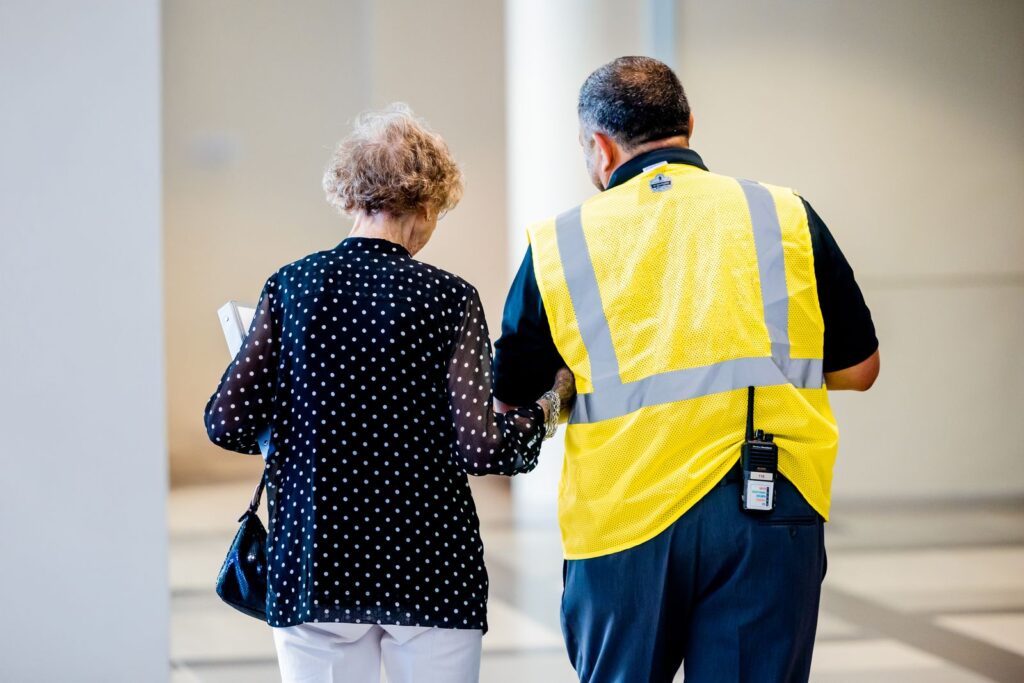
Hypothetical example: a traveller is referred to secondary screening at an airport and raises his voice, saying he will miss his connecting flight and is being treated “like a suspect”.
The weak response: the officer replies sharply, “Sit down and wait your turn”, then begins the search without a word. The traveller gets louder, a crowd gathers and the supervisor is called to a situation that could have been avoided.
The professional response: the officer stands at a comfortable distance, waits for the traveller to finish, then says: “I understand you’re worried about your flight. This is a routine check that usually takes a few minutes, and I’ll let my colleague at the airline desk know your situation.” He then explains each step during the search. The procedure has not changed, but the traveller has been heard, understands what is happening and knows what comes next.
How can supervisors build these skills in their teams?
The evidence suggests that procedural justice training applied in real operational settings can change staff behaviour, and that checklists and scripts help only in circumstances that suit them. [1] The conflict management guidelines describe scenario-based training, practising skills across varied settings, as the most effective approach. [2]
Training alone is not enough. The same guidelines warn that stressed officers may make rash decisions, and that officers assaulted on duty may be more inclined to use force to prevent a repeat, so supervisors are asked to support them. [2] The Basic Principles also require training programmes and operational procedures to be reviewed in the light of actual incidents. [4]
- Brief on new instructions
- Interpreter or alternative available
- Clear signs in visitors' languages
- Watch crowding hotspots
- Step in early when tension rises
- Rotate exhausted staff
- Review what happened and why
- Support affected staff
- Update training scenarios
Conclusion
Dealing with the public at ports of entry and security stations is not a courtesy added to the procedure; it is part of what makes the procedure work: a neutral decision, a chance to speak, a clear explanation and consistent respect. Start by training your team on scenarios drawn from your own checkpoint, and review every incident to find where escalation began and how it could have been avoided.
Frequently asked questions
What does procedural justice mean in security work?
It means people see the way decisions are made as fair: impartial and based on facts, with a chance to be heard, an explanation of the decision, respectful treatment and officers who show they can be trusted. [1]
Does a calm approach undermine an officer's authority?
No. The UN resource book notes that officials who stay calm and professional and have good communication and negotiation skills tend to earn more public respect than those who rely on force. [5]
How should I deal with someone who does not understand my language?
The UN resource book notes that being unable to communicate raises stress and the likelihood of force. [5] In practice, bring in an interpreter or a colleague who speaks the language, use short sentences and clear gestures, and check understanding before any procedure.
Does the UN Code of Conduct apply to staff at ports of entry?
The Code covers all officers of the law who exercise police powers, especially powers of arrest or detention, including military or state security personnel when they exercise such powers. It is a General Assembly recommendation for use within national legislation or practice, not a treaty, so national law remains the binding reference. [3]
What is the best way to train staff in public interaction?
Training applied in real operational settings, using scenarios in which skills are practised across a range of situations, combined with supervisory support for staff once they are back on duty. [1, 2]
References
- College of Policing (UK). What works: policing with procedural and distributive justice (2025)
- College of Policing (UK). New conflict management guidelines released (2020)
- United Nations General Assembly. Code of Conduct for Law Enforcement Officials (A/RES/34/169) (1979)
- United Nations (text via University of Minnesota Human Rights Library). Basic Principles on the Use of Force and Firearms by Law Enforcement Officials (1990)
- UNODC and OHCHR. Resource book on the use of force and firearms in law enforcement (2017)
Recommended programmes